
Two Hundred Years Together
of Aleksandr Solzhenitsyn
Series: Двести лет вместе #1-2
Description
This edition is an abridged version. Alexander Solzhenitsyn, who first exposed the horrors of the Stalinist gulag, is now attempting to tackle one of the most sensitive topics of his writing career - the role of the Jews in the Bolshevik revolution and Soviet purges. In his latest book Solzhenitsyn, 84, deals with one of the last taboos of the communist revolution: that Jews were as much perpetrators of the repression as its victims. Two Hundred Years Together - a reference to the 1772 partial annexation of Poland and Russia which greatly increased the Russian Jewish population - contains three chapters discussing the Jewish role in the revolutionary genocide and secret police purges of Soviet Russia.
Gender
Main Characters
Book Details
- Format E-book
- Pages 539 pages
- Publisher Not informed
- Publication Date November 24th 2015
- First Publication 10/29/02
- Language English
- ISBN B018IKCZXI
- Edition Not informed
- Category History & Politics
- Scenario ['Russian Federation']
Rate this work
🔒 Log in to evaluate this book.
Share your opinion with other readers. Your feedback is very important!
AI-Powered Recommendations
Based on your reading of "Two Hundred Years Together", our dual AI algorithms suggest these titles. ⚡ FAISS Baseline 🧠 PyTorch Enhanced
Top Picks For You
🎯 Smart Selection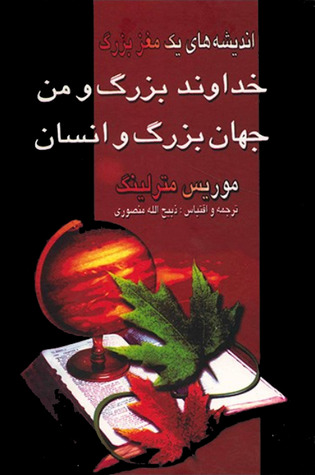
خداوند بزرگ و من، جهان بزرگ و انسان
by Maurice Maeterlinck, ذبیح الله منصوری (Translator)


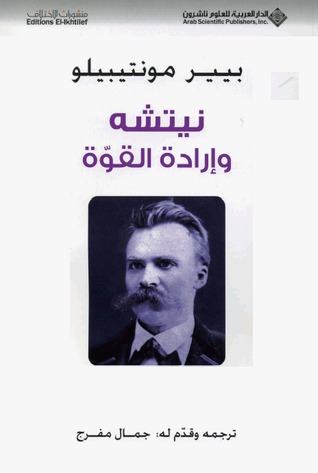
نيتشه و إرادة القوة
by Pierre Montebello, بيير مونتيبيلو, جمال مفرج (ترجمة، تقديم، تحقيق)

How do we choose these recommendations?
Similar Style Recommendations
Books with similar themes, authors, and writing styles to what you're reading now.
Smart AI Matches
Our advanced AI finds books you might love based on deeper patterns and reader preferences.
FAISS Baseline
Fast & Reliable
The Gulag Archipelago, 1918-1956: An Experiment in Literary Investigation, Books III-IV
Aleksandr Solzhenitsyn


The Gulag Archipelago 1918–1956
Aleksandr Solzhenitsyn, Edward E. Ericson Jr. (Introduction)
